

Discover HR Insights by Category
AI, shifting skill requirements, and growing demands on HR are changing how organizations manage their workforce in 2026. These trends are pushing HR beyond traditional administration and toward a more strategic role in how organizations design work, develop talent, and use workforce data. Here are three key HR trends leaders should be watching and what they mean for their organization.
Many organizations assume that once a new HR or payroll system goes live, value realization will follow naturally. In reality, the months after stabilization often determine whether the platform becomes a strategic asset or settles into transactional use. Without structured governance and capability development, even well-implemented systems can quietly underperform.
Artificial Intelligence (AI) is transforming Human Resource Management (HRM) and HR Information Systems (HRIS). From smarter recruitment tools to predictive analytics for employee retention, AI is no longer a “nice-to-have” — it’s becoming a core capability in modern HR platforms. But the true value of AI depends on more than just algorithms. Success requires HR leaders to choose the right HR software, ensure strong data management practices, and prepare their organizations for AI adoption. Companies that prioritize sound HRIS foundations and AI readiness today will be the ones able to deliver more personalized employee experiences, stronger talent strategies, and better business outcomes tomorrow.

HR technology is transforming faster than ever, and scalability is now a must-have. This article breaks down six key trends shaping HCM and HRIS in 2025 — from cloud-first platforms to global readiness. See how forward-thinking organizations are modernizing their systems to stay ahead.

Retention is no longer about perks — it’s about purpose, growth, and leadership. Discover five practical, research-backed strategies for engaging and retaining your best employees in 2025 and beyond. From feedback culture to flexible work that actually works, these strategies help you build teams that stay and succeed.

AI is reshaping HR, but not without serious risks—from algorithmic bias to lawsuits over discriminatory hiring practices. As legal scrutiny intensifies, companies using AI in recruitment face growing pressure to ensure fairness, transparency, and compliance. Discover what recent lawsuits and global regulations mean for your HR strategy—and how to protect your organization.

Big changes are coming to hiring practices in Ontario. Starting January 1, 2026, employers with 25 or more employees will need to follow new rules around salary disclosure, AI use, and job posting transparency. These updates aim to reduce bias, improve clarity, and create a fairer playing field for job seekers. But for businesses, they also bring new obligations—and a tight timeline to get compliant.

Even the most well-funded organizations can face catastrophic HR system failures. From the U.S. Department of Defense’s billion-dollar misstep with PeopleSoft to Queensland Health’s disastrous SAP payroll rollout and LAUSD’s payroll chaos, these cases highlight the dangers of poor planning, rushed implementations, and misaligned stakeholder expectations. In this article, we break down what went wrong, the costly consequences, and key lessons to help businesses avoid similar pitfalls.

Struggling to keep track of open roles, workforce planning, and compliance? Dayforce Position Management is a feature within Dayforce HCM that helps organizations structure, track, and manage job positions separately from individual employees, improving workforce planning, budgeting, and compliance. Learn how this powerful feature can improve workforce strategy and make managing positions easier than ever.

Dayforce’s 15th Annual Pulse of Talent survey is out, and the insights are a good indication of what to expect in 2025 for not only Dayforce users, but for HR technology, workplace culture, and shifting employee expectations key to success.
Here are five critical trends that HR leaders should anticipate and prepare for.

Dive into how AI can reshape your approach to workforce planning, exploring the key benefits, challenges, and considerations for a successful AI initiative.

Automation can be crucial to productivity and meeting customer expectations, among many other things. Automation within your HRIS is no different. Learn how to assess and optimize your HRIS automations in 7 easy steps.
Featured HR Articles
HR Technology
AI, shifting skill requirements, and growing demands on HR are changing how organizations manage their workforce in 2026. These trends are pushing HR beyond traditional administration and toward a more strategic role in how organizations design work, develop talent, and use workforce data. Here are three key HR trends leaders should be watching and what they mean for their organization.
A successful Dayforce Talent implementation goes beyond simply turning on modules. From Performance and Learning to Succession, Compensation, and Career Explorer, discover the common implementation gaps that can limit adoption and long-term value. This guide breaks down what organizations should consider to build a connected Talent ecosystem that delivers value across the entire employee lifecycle.

A practical guide to Dayforce Benefits: plan configuration, eligibility rules, enrollment, dependent verification, payroll integration, and carrier exports.
Dayforce has officially set a date for the retirement of the Dayforce Home feature.
All organizations not yet on Hub, need to promptly review readiness for the upcoming transition.
Many organizations assume that once a new HR or payroll system goes live, value realization will follow naturally. In reality, the months after stabilization often determine whether the platform becomes a strategic asset or settles into transactional use. Without structured governance and capability development, even well-implemented systems can quietly underperform.
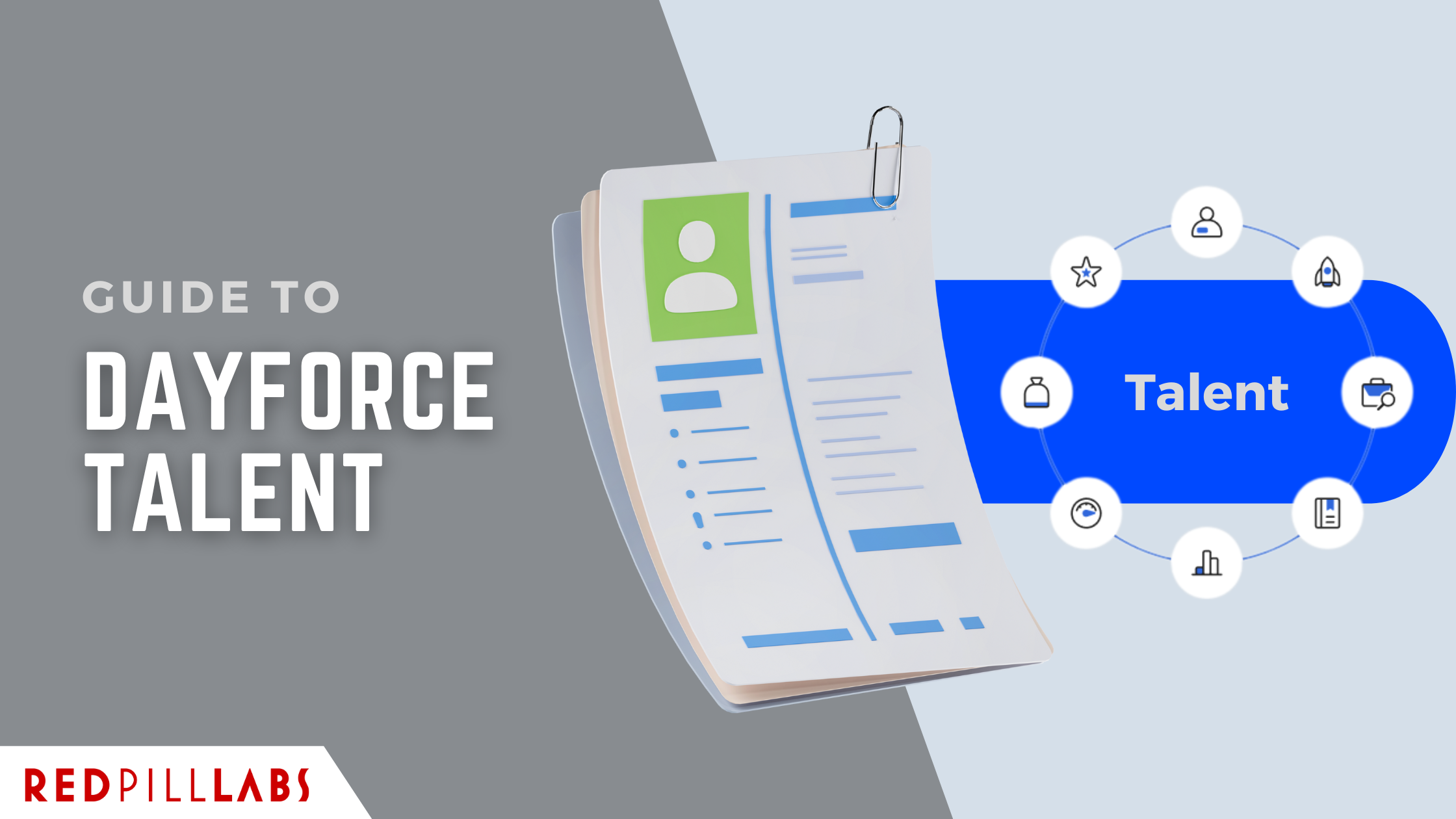
Dayforce Talent can be one of the most powerful parts of your HCM stack, or one of the most underused. This guide breaks down what the Dayforce Talent module actually does, where organizations commonly struggle, and how to unlock real value beyond basic configuration. If recruiting, performance, or development feels harder than it should, this is a good place to start.

As the 2025 U.S. tax bill reshapes payroll compliance, many organizations are realizing that even small configuration gaps can cause big downstream errors. From reconfiguring tax-withholding logic and overtime exclusions to verifying complex pay-code eligibility across tipped and multi-state employees, every adjustment matters. Staying compliant — and audit-ready — will depend on how effectively your Dayforce setup adapts to these new federal changes.
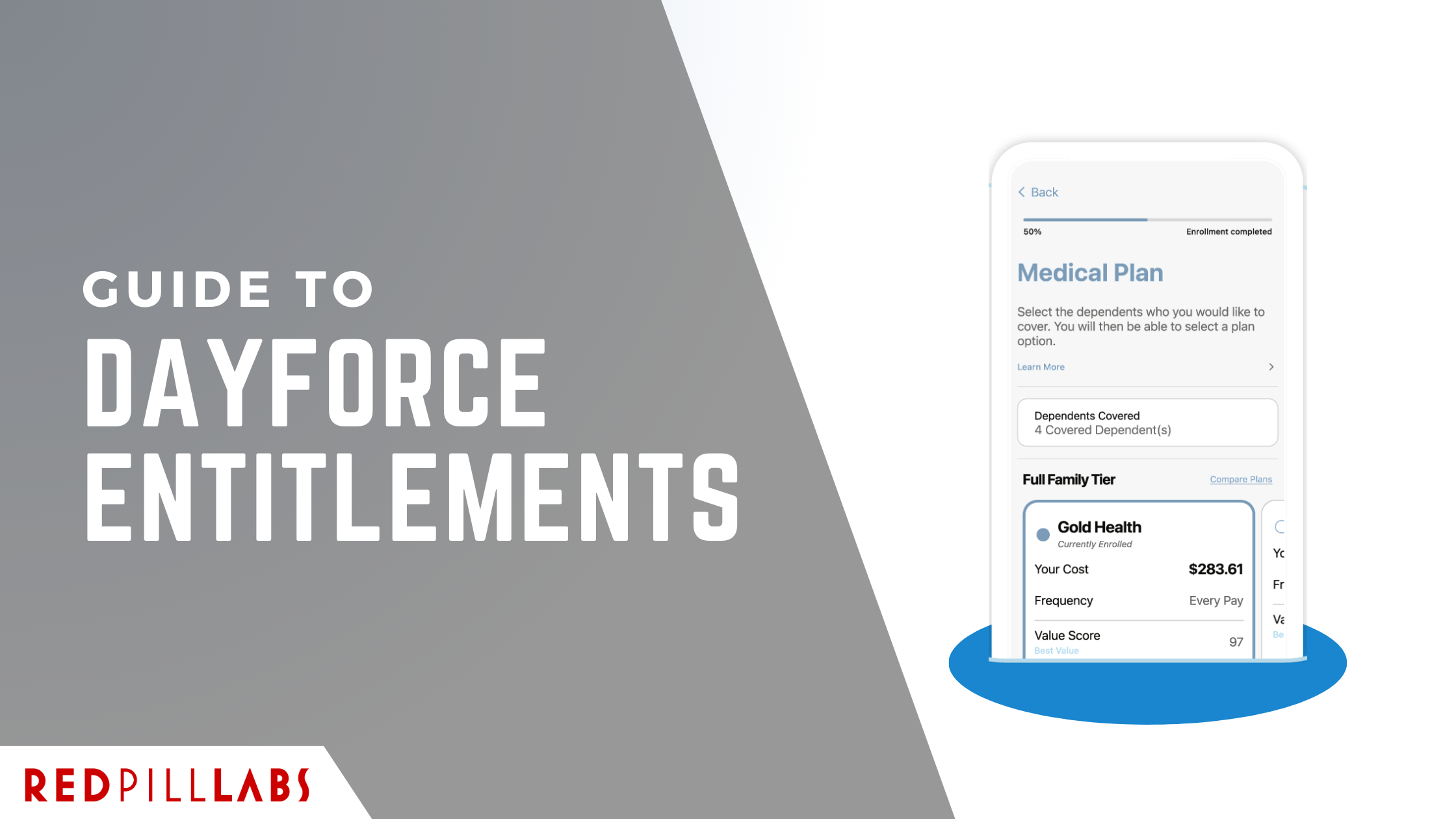
This guide breaks down the essentials of Dayforce entitlements—what they are, how they work, and the best practices to keep your organization running smoothly. Whether you’re setting up Dayforce for the first time or looking to fine-tune existing policies, you’ll walk away with a clearer roadmap for making entitlements work for both your business and your people.
Artificial Intelligence (AI) is transforming Human Resource Management (HRM) and HR Information Systems (HRIS). From smarter recruitment tools to predictive analytics for employee retention, AI is no longer a “nice-to-have” — it’s becoming a core capability in modern HR platforms. But the true value of AI depends on more than just algorithms. Success requires HR leaders to choose the right HR software, ensure strong data management practices, and prepare their organizations for AI adoption. Companies that prioritize sound HRIS foundations and AI readiness today will be the ones able to deliver more personalized employee experiences, stronger talent strategies, and better business outcomes tomorrow.
Struggling to get the reports you need out of Dayforce? Whether you're trying to pull simple data or build powerful custom analytics, this guide breaks down exactly what types of reports are available—and how to use them effectively. Plus, learn when it's time to call in expert support for more complex reporting needs.
HR technology is transforming faster than ever, and scalability is now a must-have. This article breaks down six key trends shaping HCM and HRIS in 2025 — from cloud-first platforms to global readiness. See how forward-thinking organizations are modernizing their systems to stay ahead.

Dayforce Co-Pilot is evolving — not just with new features, but with a shift in how users interact with the platform. These updates aim to reduce manual work, provide real-time guidance, and make everyday tasks feel less like troubleshooting. In this article, we break down what’s changing, what it actually means for users, and where the improvements will be most noticeable.
Find the Insights You Want:
Popular Categories
Guides and insights to get started with choosing the right software for your team.
Project Management insights driven by experience with major technology implementations.
Guidance written by our consultants who know Dayforce inside and out.
Cutting through the AI hype so you know where AI creates real value.
Modern HR thinking for organizations looking to optimize processes and systems.
Browse the full Red Pill Labs library — every article, guide, and insight in one place.
All Human Resources Articles
AI, shifting skill requirements, and growing demands on HR are changing how organizations manage their workforce in 2026. These trends are pushing HR beyond traditional administration and toward a more strategic role in how organizations design work, develop talent, and use workforce data. Here are three key HR trends leaders should be watching and what they mean for their organization.
Many organizations assume that once a new HR or payroll system goes live, value realization will follow naturally. In reality, the months after stabilization often determine whether the platform becomes a strategic asset or settles into transactional use. Without structured governance and capability development, even well-implemented systems can quietly underperform.
Artificial Intelligence (AI) is transforming Human Resource Management (HRM) and HR Information Systems (HRIS). From smarter recruitment tools to predictive analytics for employee retention, AI is no longer a “nice-to-have” — it’s becoming a core capability in modern HR platforms. But the true value of AI depends on more than just algorithms. Success requires HR leaders to choose the right HR software, ensure strong data management practices, and prepare their organizations for AI adoption. Companies that prioritize sound HRIS foundations and AI readiness today will be the ones able to deliver more personalized employee experiences, stronger talent strategies, and better business outcomes tomorrow.
HR technology is transforming faster than ever, and scalability is now a must-have. This article breaks down six key trends shaping HCM and HRIS in 2025 — from cloud-first platforms to global readiness. See how forward-thinking organizations are modernizing their systems to stay ahead.
Retention is no longer about perks — it’s about purpose, growth, and leadership. Discover five practical, research-backed strategies for engaging and retaining your best employees in 2025 and beyond. From feedback culture to flexible work that actually works, these strategies help you build teams that stay and succeed.
AI is reshaping HR, but not without serious risks—from algorithmic bias to lawsuits over discriminatory hiring practices. As legal scrutiny intensifies, companies using AI in recruitment face growing pressure to ensure fairness, transparency, and compliance. Discover what recent lawsuits and global regulations mean for your HR strategy—and how to protect your organization.
Big changes are coming to hiring practices in Ontario. Starting January 1, 2026, employers with 25 or more employees will need to follow new rules around salary disclosure, AI use, and job posting transparency. These updates aim to reduce bias, improve clarity, and create a fairer playing field for job seekers. But for businesses, they also bring new obligations—and a tight timeline to get compliant.
Even the most well-funded organizations can face catastrophic HR system failures. From the U.S. Department of Defense’s billion-dollar misstep with PeopleSoft to Queensland Health’s disastrous SAP payroll rollout and LAUSD’s payroll chaos, these cases highlight the dangers of poor planning, rushed implementations, and misaligned stakeholder expectations. In this article, we break down what went wrong, the costly consequences, and key lessons to help businesses avoid similar pitfalls.
Struggling to keep track of open roles, workforce planning, and compliance? Dayforce Position Management is a feature within Dayforce HCM that helps organizations structure, track, and manage job positions separately from individual employees, improving workforce planning, budgeting, and compliance. Learn how this powerful feature can improve workforce strategy and make managing positions easier than ever.
Dayforce’s 15th Annual Pulse of Talent survey is out, and the insights are a good indication of what to expect in 2025 for not only Dayforce users, but for HR technology, workplace culture, and shifting employee expectations key to success.
Here are five critical trends that HR leaders should anticipate and prepare for.
Dive into how AI can reshape your approach to workforce planning, exploring the key benefits, challenges, and considerations for a successful AI initiative.
Automation can be crucial to productivity and meeting customer expectations, among many other things. Automation within your HRIS is no different. Learn how to assess and optimize your HRIS automations in 7 easy steps.

Onboarding is the gateway to employee success, yet nearly one-third of new hires leave their roles within the first six months, often due to inadequate onboarding experiences.
But what are the key elements of an optimal onboarding schedule?
Find out here.

A strong company culture is crucial for productivity, engagement, and employee satisfaction. Unfortunately, a challenge that many businesses face is maintaining a positive workplace environment. This can be attributed to several issues- issues that if left unaddressed- can have negative effects in the long-term. From leadership missteps to communication breakdowns, here are seven common threats to company culture and actionable solutions to overcome them.

When an HR system isn't optimized, it can lead to inefficiencies and frustrated users. Learn Red Pill Labs' 10 suggestions on ways you can optimize your HR technology and improve various aspects of your business.

Take a journey through the evolution of HR systems, from their inception to the modern-day solutions that power businesses today. Understand how technology has shaped HR management and what the future holds.

Get insights into selecting the perfect HR system tailored to your business needs. Understand the essential factors to consider, from scalability to user experience, to ensure a smooth and effective implementation.

Did you know? 1 in 5 people quit their job on their first week. Say goodbye to poor retention rates and say hello to AI within your onboarding processes. Discover how AI is revolutionizing the onboarding process. Learn four key ways AI can enhance employee onboarding, making it more efficient, personalized, and engaging for new hires.

Learn how AI is transforming recruitment and talent acquisition. Understand the benefits, challenges, and strategies for integrating AI into your hiring processes to find top talent more efficiently.

Ready to implement AI in your HR department? This guide covers the essential steps and tools you need to begin harnessing AI for improved efficiency, decision-making, and employee engagement.

Uncover the underlying reasons behind employee resistance to change. This article offers insights into the psychological and organizational factors that contribute to resistance and how to address them effectively.

Discover how to evaluate your HR systems and processes to align with your company's strategic objectives. Learn key factors to consider when upgrading or implementing new HR technologies for long-term success align your HR strategies with your business goals and prepare for future challenges.
Talk to Our Team!

Our team works with you to help you solve your HR challenges.
Whether it be your HR system or processes, we have a team of diverse talent capable of meeting your unique needs.
We provide value to companies like yours by fully comprehending your risks, challenges, and future goals, ultimately tailoring unique-to-you solutions optimized for your unique business.